Algorithmic Tracking Elevates Multi-Event Betting Construction in Football and Casino Platforms
Mara Washington · Oct 8, 2026
Algorithmic Tracking Elevates Multi-Event Betting Construction in Football and Casino Platforms
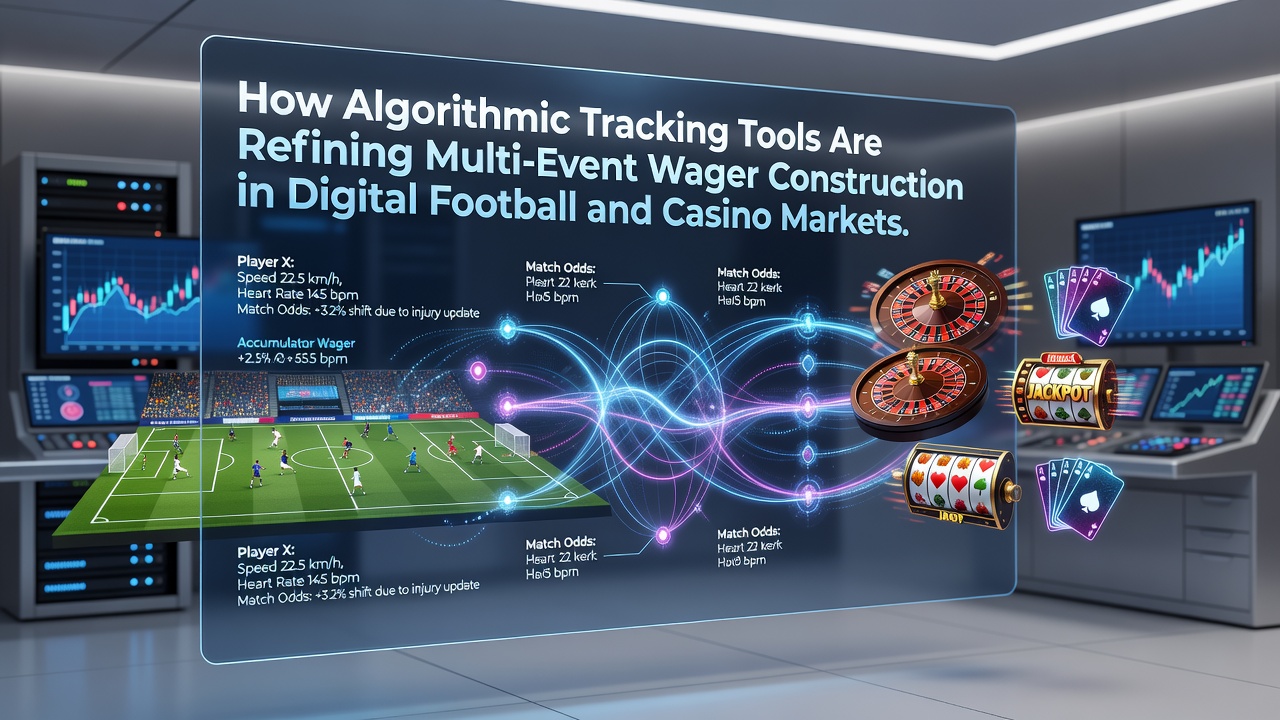
Digital platforms have integrated algorithmic tracking tools that monitor player performance, game statistics, and user behavior patterns to support construction of multi-event wagers in football and casino environments, and these systems process large volumes of data from live matches alongside slot outcomes or table game results. Observers note that such tools connect disparate data streams, allowing bettors to layer selections from Premier League fixtures with casino promotions or virtual table outcomes without manual cross-referencing of odds and probabilities.
Data Integration Across Football and Casino Segments
Tracking algorithms pull live metrics from football matches including pass completion rates, expected goals, and player fatigue indicators while simultaneously logging casino session data such as spin frequency, bonus trigger rates, and payout patterns on digital reels or blackjack tables. This combined feed enables construction of accumulators that span both categories, for instance pairing a team total goals bet with a casino free spin multiplier that activates only under specific volatility thresholds. Platforms deploy these systems to update probabilities in real time, reducing the lag between event changes and wager adjustments that previously required separate calculations.
Research from the University of Nevada's gaming analytics program shows that algorithmic models improve correlation accuracy between sports events and casino mechanics by analyzing historical datasets spanning multiple seasons and thousands of user sessions. Data indicates these models flag overlapping variance factors, such as high-scoring football periods coinciding with increased casino engagement during match breaks, which users then incorporate into structured multi-leg bets.
Refinement Mechanisms in Accumulator Building
Algorithms refine wager construction through continuous feedback loops that adjust suggested combinations based on incoming data points, for example recalibrating an accumulator after a red card alters football odds while a concurrent casino streak modifies bonus availability. Users receive dynamic prompts that highlight compatible legs across categories, supported by probability matrices updated every few seconds during live play. This approach replaces static bet slips with responsive interfaces that account for shifting conditions in both football matches and casino rounds.
Industry reports from the European Gaming and Betting Association highlight how platforms in October 2026 expanded these tools to include cross-market hedging options, letting bettors offset football accumulator risk with casino game selections that demonstrate inverse performance correlations during peak viewing hours. The systems track session duration and stake patterns to recommend balance points where football volatility pairs with steadier casino payout structures, maintaining overall wager viability.
Platform Implementation Patterns
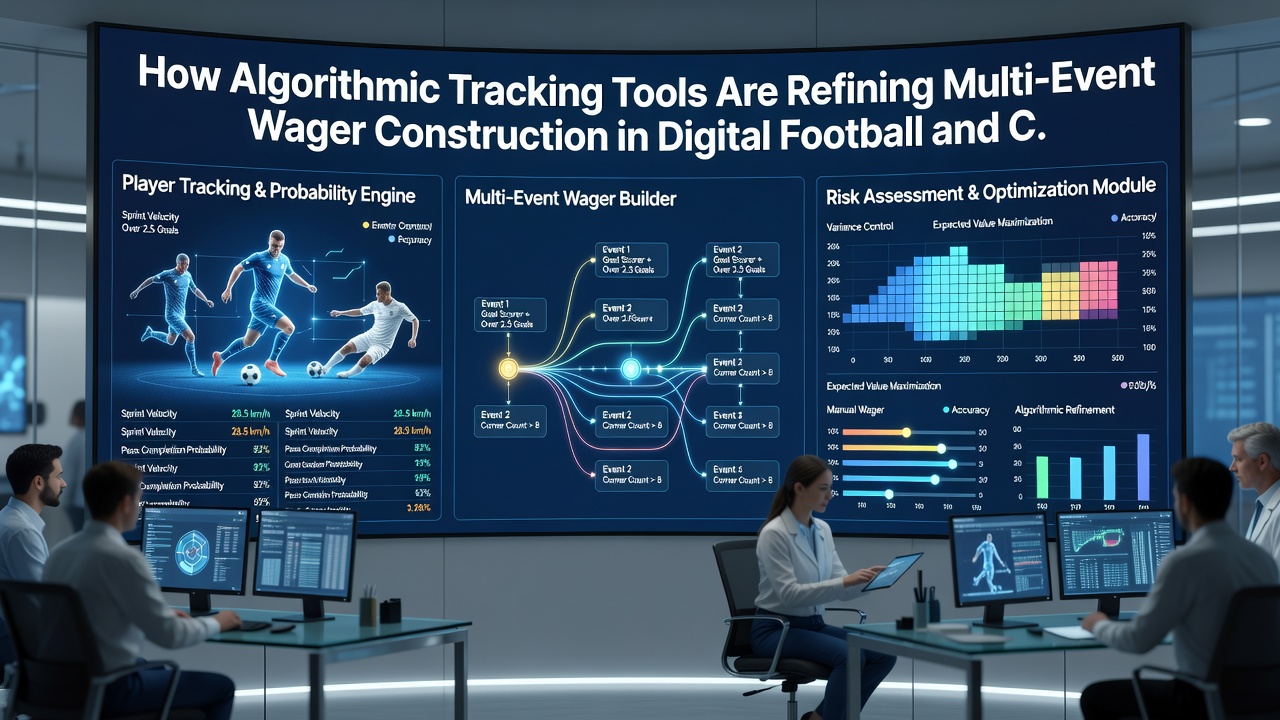
Operators deploy these tracking systems through API connections that aggregate data from official football leagues and licensed casino software providers, creating unified dashboards for users who build complex wagers. One documented case involved a European platform that linked Serie A player stats with roulette outcome sequences, allowing accumulators where a specific midfielder's assist probability aligned with a bonus round activation rate above a calculated threshold. Such integrations reduce manual research time while increasing the precision of leg selection within multi-event structures.
Figures from North American regulatory filings reveal similar adoption trends, where state-licensed operators use algorithmic overlays to comply with responsible gaming parameters while expanding accumulator options that mix sports and casino elements. These tools log user interactions to refine future suggestions, prioritizing combinations that align with observed engagement clusters rather than broad market trends.
Technical Components Driving Precision
Core elements include machine learning classifiers that categorize events by risk profile, natural language processing modules that scan commentary for contextual signals in football broadcasts, and reinforcement learning agents that test hypothetical wager paths against historical outcomes. Together these components generate ranked lists of multi-event options that account for both statistical edges and platform-specific bonus conditions in casino segments. Platforms update model weights weekly using fresh data batches to maintain alignment with evolving match schedules and game releases.
Conclusion
Algorithmic tracking continues to shape how multi-event wagers form in digital football and casino markets by linking real-time data sources into cohesive construction frameworks. As platforms refine these systems through expanded datasets and regulatory environments in various regions, the focus remains on precise leg selection supported by integrated analytics rather than isolated event analysis.